Introduction
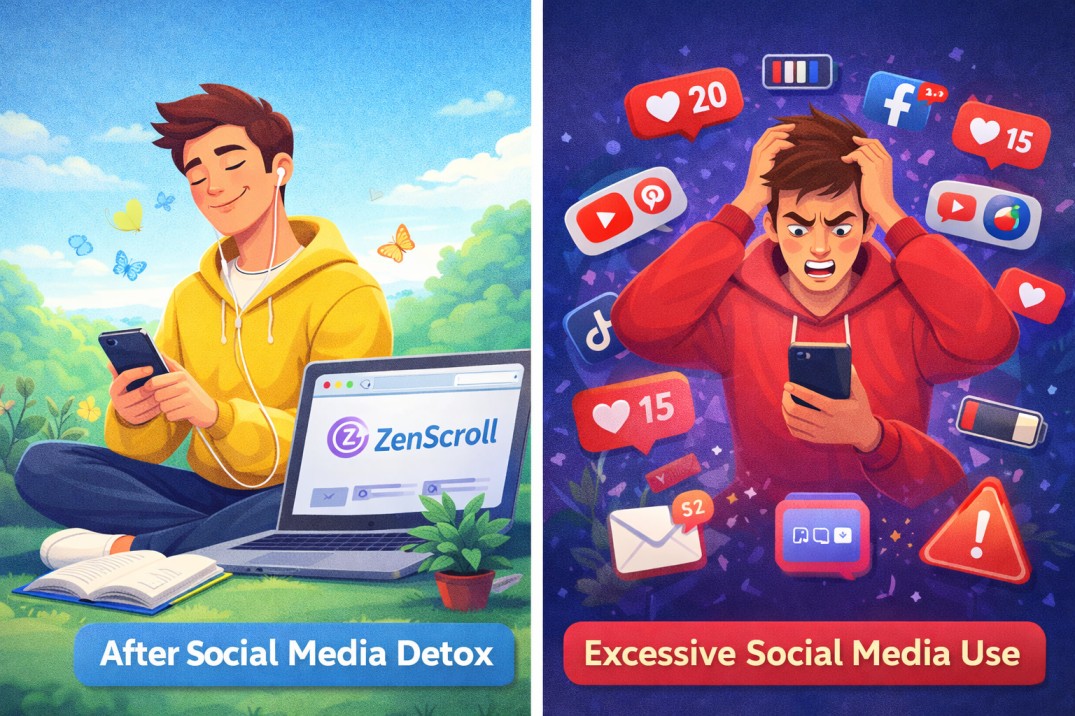
Social media platforms like Instagram, YouTube, Facebook, and TikTok have become a major part of daily life. However, constant scrolling and endless notifications have made many people realize the importance of a social media detox. A social media detox helps users reduce screen time, regain focus, and develop healthier digital habits.
However, spending too much time scrolling through reels, shorts, and endless feeds can negatively affect productivity, mental health, and focus. Many people now feel overwhelmed by constant notifications and online distractions.
This raises an important question: Do you need a social media detox?
A social media detox means intentionally reducing or limiting the time spent on social platforms in order to regain control over your attention and digital habits.
In this article, we will explore the signs that indicate it may be time for a break from social media, the benefits of reducing screen time, and practical ways to build healthier online habits.
What Is a Social Media Detox?
A social media detox is a conscious decision to reduce or temporarily stop using social networking platforms.
The goal is to create a healthier balance between online activity and real-life experiences.
- Reduce unnecessary screen time
- Improve focus and productivity
- Support better mental well-being
- Develop healthier digital habits
Many people take short breaks from social platforms for a few hours, a day, or even several weeks. Even a small break can help reset habits and improve concentration.
Why Social Media Can Become Addictive
Social media platforms are designed to capture attention and keep users engaged.
- Infinite scrolling
- Autoplay videos
- Short-form content like reels and shorts
- Notifications and likes
- Algorithm-driven recommendations
These features encourage users to keep scrolling longer than intended.
Short-form content such as YouTube Shorts and Instagram Reels is particularly engaging because it delivers quick entertainment in seconds.
According to research from the American Psychological Association, excessive social media usage may contribute to increased stress, anxiety, and reduced attention span.
This is why many people eventually decide to reduce their usage and create healthier digital boundaries.
Signs You May Need a Break From Social Media
Recognizing the warning signs can help you determine whether reducing social media use could benefit your lifestyle.
1. You Spend Hours Scrolling Every Day
If you frequently open social apps and lose track of time while browsing reels, videos, or posts, it may indicate excessive screen usage.
2. Social Media Affects Your Mood
Constant comparisons with other people’s lifestyles, achievements, or appearances can sometimes create feelings of anxiety or dissatisfaction.
3. You Feel Constantly Distracted
Notifications and social feeds can interrupt work, studies, or daily responsibilities. Reducing these distractions can help improve concentration.
4. You Check Social Media Immediately After Waking Up
If the first thing you do every morning is open social apps, it may be a sign that online habits are becoming automatic.
5. Social Media Is Affecting Your Sleep
Late-night scrolling often delays sleep and reduces sleep quality, which can lead to fatigue the next day.
Benefits of Reducing Social Media Usage
Limiting social media time can improve several aspects of life.
Improved Focus and Productivity
With fewer distractions, it becomes easier to concentrate on important tasks and goals.
Better Mental Well-being
Taking breaks from constant online comparison can help reduce stress and anxiety.
Improved Sleep Quality
Reducing screen exposure before bedtime helps the body relax and sleep better.
More Time for Meaningful Activities
Less time online means more time for hobbies, learning, exercise, and spending time with friends or family.
Practical Ways to Reduce Social Media Distractions
1. Track Your Screen Time
Most smartphones include tools that show how much time you spend on different apps.
2. Turn Off Unnecessary Notifications
Reducing alerts can help prevent the constant urge to check your phone.
3. Remove Apps Temporarily
Deleting social apps for a few days can help break automatic scrolling habits.
4. Replace Scrolling With Healthy Activities
- Reading books
- Exercising
- Learning new skills
- Spending time outdoors
- Socializing with friends and family
5. Block Addictive Content
Short-form content feeds are one of the biggest causes of endless scrolling.
Tools like ZenScroll help users remove YouTube Shorts and block Instagram Reels so they can focus on more meaningful content online.
If short videos make it difficult to complete a social media detox, tools like ZenScroll can help remove YouTube Shorts and block Instagram Reels so users can focus on meaningful content online.
Reduce Digital Distractions With ZenScroll
If short videos are the main reason you spend too much time online, tools like ZenScroll can help.
ZenScroll is a browser extension that removes distracting short-video feeds from platforms like YouTube, Instagram, and Facebook.
- Remove YouTube Shorts
- Block Instagram Reels
- Block Facebook Reels
- Reduce endless scrolling
- Improve focus while browsing
By removing the most addictive parts of social platforms, ZenScroll helps users create a healthier and more balanced digital experience.
Building Healthier Digital Habits
Developing healthier online habits is one of the biggest benefits of a social media detox. When people reduce unnecessary scrolling, they often notice improvements in concentration, productivity, and overall well-being.
A successful social media detox does not require completely quitting the internet. Instead, it focuses on creating balance between online activities and real-world experiences.
Many individuals who complete a social media detox report feeling more focused, less stressed, and more motivated to work on personal goals.
Even small changes such as limiting screen time, blocking addictive short-video feeds, and scheduling regular breaks can make a social media detox much easier to maintain.
Over time, practicing a social media detox can help people build healthier relationships with technology and develop better digital discipline.
How to Maintain a Long-Term Social Media Detox
Starting a social media detox is an important step, but maintaining it long-term requires consistent habits and awareness. Many people successfully complete a short social media detox but slowly return to old scrolling habits.
One way to maintain a successful social media detox is by setting clear boundaries for social media usage. For example, you may decide to avoid social media during work hours or limit usage before bedtime.
Another helpful strategy is removing the most addictive parts of social media platforms. Short-form videos such as reels and shorts often make it difficult to maintain a social media detox because they are designed for endless scrolling.
Many people find that removing these distractions makes their social media detox much easier. Tools like ZenScroll can help block short-video feeds and support healthier digital habits.
By regularly practicing a social media detox and limiting digital distractions, people can maintain better focus, improved productivity, and a healthier relationship with technology.
The Importance of Digital Balance
Maintaining a healthy balance between online and offline activities is essential in today’s digital world. While social media can be useful for communication and entertainment, excessive usage can sometimes disrupt productivity and mental well-being.
This is why many people choose to begin a social media detox. By reducing time spent on social platforms, individuals can regain control over their attention and focus on more meaningful activities.
A social media detox helps people become more mindful about how they use technology. Instead of constantly checking notifications or scrolling through endless feeds, users can intentionally choose when and how they interact with social media.
Over time, practicing a social media detox encourages healthier habits and creates a better balance between digital life and real-life experiences.
Common Challenges During a Social Media Detox
Although a social media detox offers many benefits, some people may find it difficult to reduce their social media usage at first.
One common challenge is the habit of automatically opening social media apps during free moments. Many users check their phones without even realizing it.
Another challenge during a social media detox is the fear of missing out, often referred to as FOMO. People may worry that they are missing important updates or conversations while staying offline.
However, most individuals discover that after a few days of a social media detox, these habits gradually disappear and they feel more relaxed and focused.
Recognizing these challenges and preparing for them can make a social media detox much easier to complete successfully.
How ZenScroll Supports a Social Media Detox
One of the biggest obstacles during a social media detox is avoiding addictive short-form content such as reels and shorts.
Short videos are designed to keep users engaged for long periods by continuously showing new content. Because of this, many people find it difficult to stop scrolling.
Tools like ZenScroll help make a social media detox easier by removing distracting short-video feeds from platforms such as YouTube, Instagram, and Facebook.
By blocking these feeds, ZenScroll allows users to browse social platforms without falling into endless scrolling loops.
This makes it easier for individuals to maintain their social media detox while still using the internet for productive purposes.
Frequently Asked Questions (FAQ)
What is a social media detox?
A social media detox is a period where someone intentionally reduces or stops using social media platforms in order to improve focus, productivity, and mental well-being.
How long should a social media detox last?
The duration can vary. Some people take breaks for a few hours, while others may choose several days or weeks depending on their goals.
What are the benefits of reducing social media use?
Benefits include improved concentration, reduced stress, better sleep quality, and more time for meaningful activities.
Why are short videos so addictive?
Short videos provide quick entertainment and endless recommendations, making it easy to keep scrolling without realizing how much time has passed.
Can blocking reels and shorts help reduce screen time?
Yes. Removing short-video feeds can significantly reduce endless scrolling and help people stay focused while browsing online.
Conclusion
Social media can be useful for communication and entertainment, but excessive use can negatively impact productivity, sleep, and mental health.
Recognizing the signs that you may need a social media detox is the first step toward creating healthier digital habits.
By limiting screen time, building better routines, and using tools that remove distracting content, you can create a more balanced relationship with technology.